Crate Safety for Dogs: What You Need to Know to Keep Your Dog Secure
When we talk about crate safety for dogs, the practice of using a properly sized, well-constructed enclosure to provide a secure, comfortable space for your dog. Also known as dog crate training, it’s not about punishment—it’s about giving your dog a den-like space where they feel safe, especially when you’re not home or during travel. Too many owners think any plastic or wire box will do, but that’s where things go wrong. A crate that’s too big lets your dog turn it into a bathroom. One that’s too small crushes their spirit—or worse, their joints. The right crate fits your dog’s size, breed, and stage of life.
dog crate size, the exact dimensions needed for your dog to stand, turn, and lie down comfortably without extra space is non-negotiable. A 20-pound dog doesn’t need a crate meant for a 90-pound Labrador. And if you’ve got a puppy, you’ll need a divider to adjust the space as they grow. Then there’s dog crate overnight, the practice of leaving your dog in a crate while you sleep. It’s not cruel if done right. Dogs are den animals—they naturally seek enclosed spaces. But leaving them in a crate all night without a potty break when they’re young, or using a crate with sharp edges or loose hardware, turns safety into risk. Accidents happen: dogs chew through plastic, get paws stuck in wire, or panic if the crate feels like a trap. That’s why material matters. Metal crates with smooth finishes and secure latches beat flimsy plastic ones. And never, ever leave a dog in a crate with a collar on—unless it’s a breakaway collar, which can save their life if they catch it on something.
Crate safety for dogs isn’t just about the box. It’s about how you introduce it, what you put inside, and how you respond when your dog whines. A soft bed, a chew toy, and maybe a piece of your old shirt with your scent can make all the difference. But no treats taped to the door. No loud music to drown out barking. No ignoring signs of stress. If your dog’s panting, pacing, or scratching at the door for hours, that’s not training—that’s trauma. And if you’re using a crate to solve separation anxiety, you’re using the wrong tool. That needs behavior work, not confinement.
Below, you’ll find real advice from dog owners and trainers who’ve been there. Whether you’re wondering if it’s okay to leave your dog in a crate overnight, how to pick the right size, or what to do when your pup has an accident inside, the posts here cut through the noise. No fluff. No myths. Just what works.
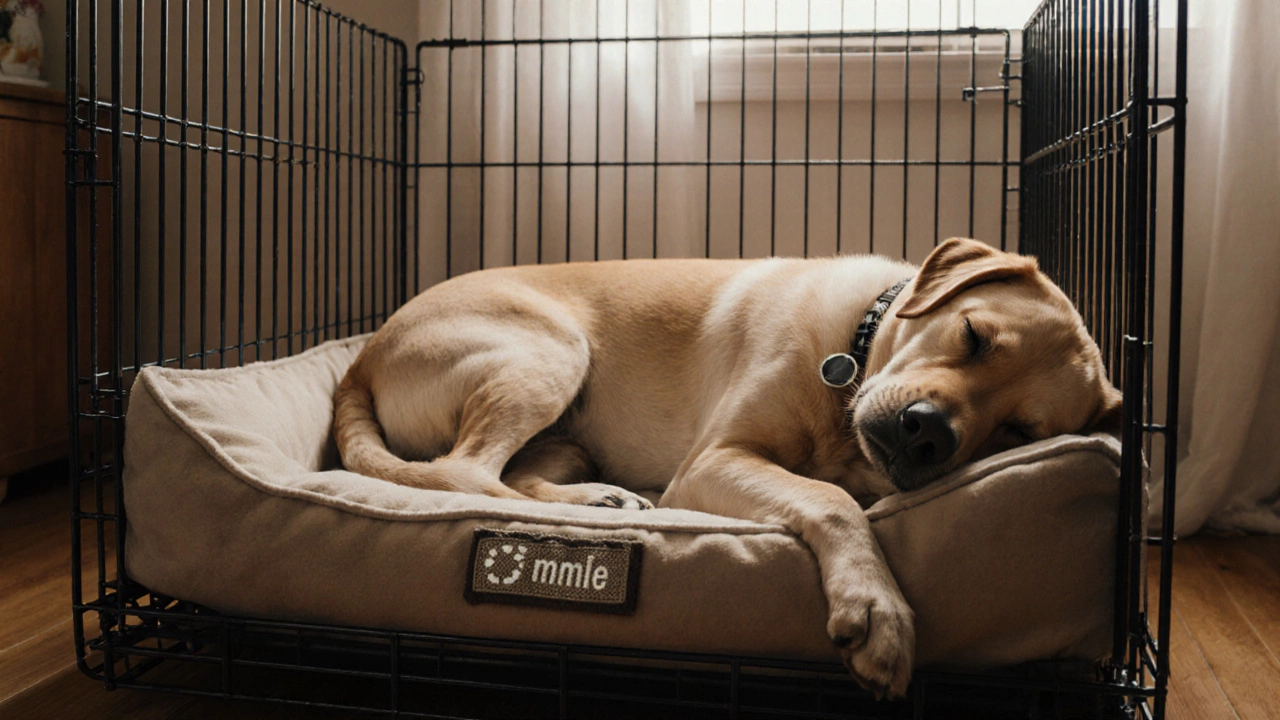
Should Dogs Wear Collars in Crates? Safety, Risks, and Best Practices
Should dogs wear collars in crates? Learn why most collars are dangerous in crates, the one safe exception, and how to keep your dog safely identified without risking injury.