Coconut Oil Benefits for Dogs: Real Uses, Dosage, and Safety Tips
When you hear coconut oil, a natural oil extracted from coconut meat, often used in cooking and skincare. Also known as virgin coconut oil, it’s become a go-to supplement for dog owners looking for simple, natural ways to support their pet’s health. It’s not magic, but it’s not nonsense either. Real dog owners report shinier coats, fewer itchy spots, and even better breath after adding a spoonful to their dog’s food. That’s because coconut oil contains medium-chain fatty acids—especially lauric acid—that your dog’s body can actually use.
One of the biggest reasons people turn to coconut oil for dogs, a topical and dietary supplement used to improve skin, coat, and digestive health in canines is for skin and coat problems. Dogs with dry, flaky skin or hot spots often respond well when you rub a little oil directly on the affected area. It’s gentle, non-toxic if licked off, and acts like a natural moisturizer. For dogs with allergies or sensitive skin, it’s a lot less harsh than some vet-prescribed creams. And when you add it to food, it helps with digestion. Unlike some oils that are hard for dogs to break down, coconut oil is absorbed quickly in the gut, which can help dogs with loose stools or occasional constipation. It also supports the immune system—something every dog owner wants, especially during allergy season or after antibiotics.
But here’s the catch: not all coconut oil is equal. You need unrefined, cold-pressed, organic virgin coconut oil, the least processed form of coconut oil, retaining natural nutrients and scent. The kind in the baking aisle with the long shelf life and no smell? Skip it. That’s refined and stripped of the good stuff. Also, start slow. A teaspoon for small dogs, a tablespoon for big ones, once a day. Too much too fast can cause diarrhea or greasy stools. And never use it if your dog is on a low-fat diet or has pancreatitis—ask your vet first. It’s not a cure-all, but when used right, it’s one of the few natural supplements with real, repeatable results.
What you’ll find below are real stories and practical guides from dog owners who’ve tried coconut oil for everything from bad breath to flea-repellent skin treatments. Some saw results in days. Others took weeks. A few tried it and walked away. We’ve gathered the honest ones—the ones that worked, the ones that didn’t, and the ones you need to know before you open that jar.
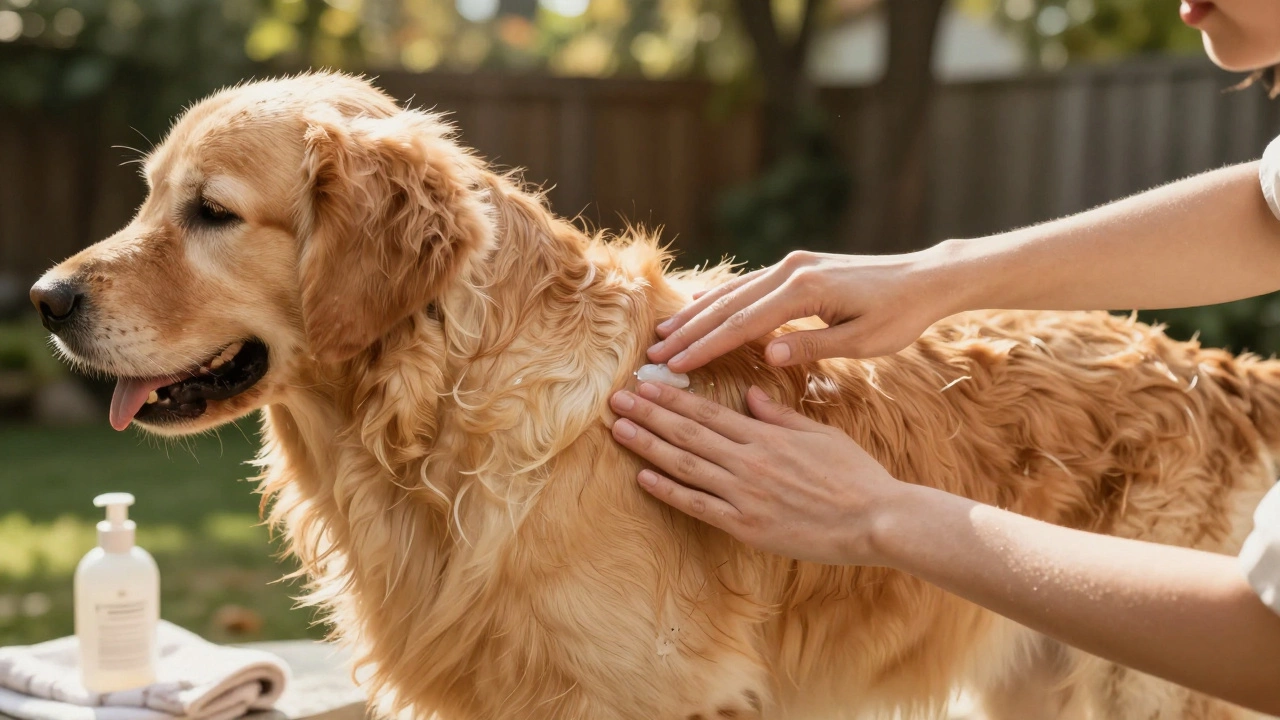
Do I Have to Rinse Coconut Oil Off My Dog? Here’s What Actually Works
Coconut oil can help your dog's skin and coat, but rinsing it off depends on how much you use and why. Learn when to wash it out, when to leave it, and safer alternatives if it's not right for your pet.