Dogs Sense of Time: How They Know When You're Coming Home
When your dog waits by the door exactly 10 minutes before you usually walk in, it’s not magic—it’s dogs sense of time, a learned ability to anticipate events based on daily patterns, environmental cues, and biological rhythms. Also known as time perception in dogs, this isn’t about clocks or calendars. It’s about scent fading, light shifting, and the rhythm of your household. Dogs don’t count hours, but they notice when the kitchen gets quiet after breakfast, when the neighbor’s dog barks at 5 p.m., or when your car pulls into the driveway at the same time every day.
This ability ties directly to dog routines, the predictable patterns dogs rely on for security and comfort. When you feed, walk, or leave at consistent times, your dog builds a mental schedule. Studies show dogs can distinguish between short and long absences—not because they understand minutes, but because their body reacts to how long your scent lingers in the house. That’s why leaving for an hour feels different than leaving for eight. It’s not anxiety—it’s chemistry. And when those routines break, like when you work late or change shifts, your dog notices. That’s why so many dogs show signs of dog separation anxiety, a stress response triggered by unpredictable absences and disrupted patterns. It’s not being clingy. It’s being confused.
Related to this is how dogs use dog daily habits, repeated behaviors that help them interpret their world. A dog that paces at 6:30 a.m. isn’t being stubborn—it’s expecting its walk. A dog that waits by the fridge at noon is waiting for its lunch. These aren’t tricks. They’re survival skills shaped by thousands of years of living with humans. Even when you’re gone, your dog tracks time through smells, sounds, and stillness. The fading scent of your shoes, the changing light on the floor, the quiet after the mail truck passes—all of it adds up.
That’s why you’ll find posts here about what to do when your dog’s routine gets thrown off—like whether to leave a collar on in the crate, how to handle overnight alone time, or what to feed them when you’re not home. You’ll see advice on bark collar alternatives that address the root cause of stress, not just the symptom. And you’ll find real tips on how to help your dog feel safe when the world doesn’t follow the same schedule anymore. This isn’t about training your dog to be quiet. It’s about understanding why they react the way they do—and how to give them back a sense of control.
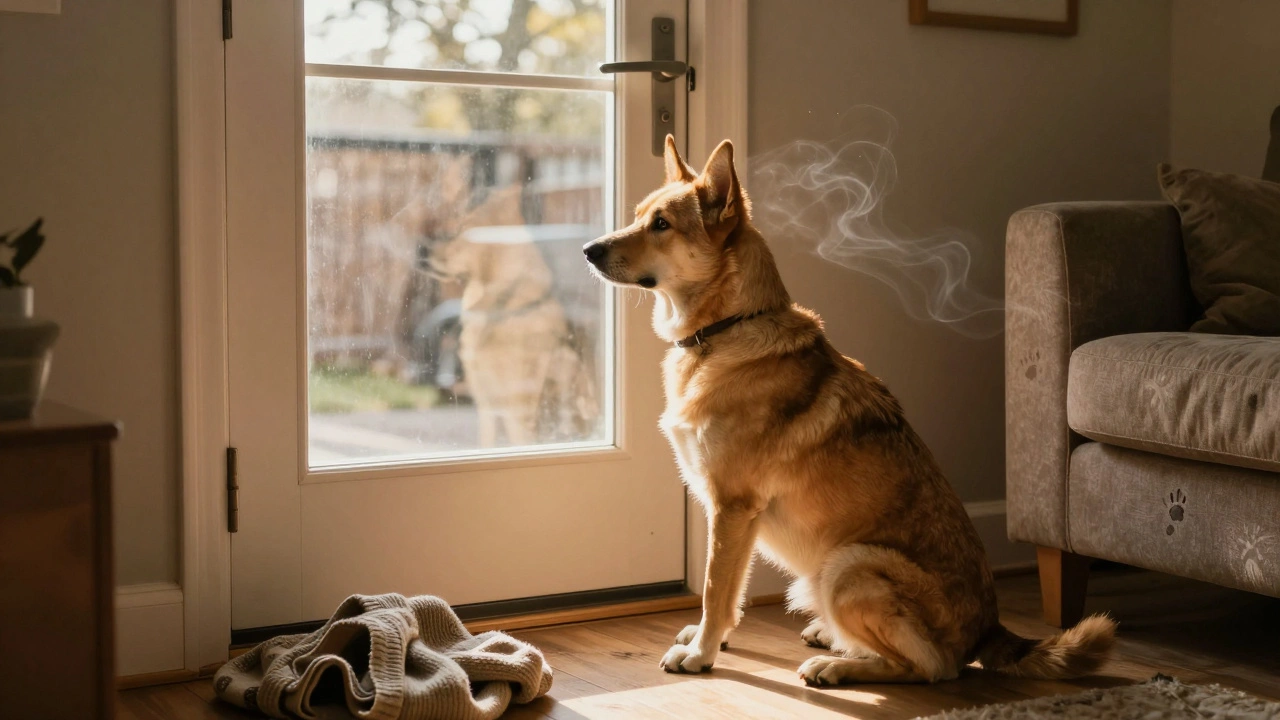
Can Dogs Tell How Long You're Gone? What Science Says About Their Sense of Time
Dogs don't count hours, but they absolutely notice when you're gone. Learn how scent, routine, and predictability shape their sense of time-and what it means for your next holiday.