Dog Travel Rules: What You Need to Know Before Taking Your Dog on the Road
When you’re planning a trip with your dog, dog travel rules, the legal and practical guidelines for moving pets across borders, public spaces, and transport systems. Also known as pet travel regulations, these rules aren’t just suggestions—they can stop you at the border, kick you off a train, or leave you stranded if you get them wrong. Whether you’re driving to the coast, flying to visit family, or taking your dog on a holiday, the law doesn’t care if your pup is well-behaved. It cares about paperwork, size limits, and where they’re allowed to sit.
Most people think dog travel rules are just about carriers and leashes. But the real headaches come from dog travel documents, official records like pet passports, vaccination certificates, and microchip registrations required for crossing borders or using public transport. In the UK, your dog needs a microchip and a rabies vaccine at least 21 days before travel. If you’re going to the EU or returning from abroad, you’ll need an Animal Health Certificate (AHC)—not the old pet passport. And if you’re flying, airlines don’t just want proof of shots—they want the exact carrier size, weight, and health form filled out by a vet within 10 days of departure. Miss one detail, and you’re stuck at the airport.
Then there’s dog car travel, how dogs are secured in vehicles to meet safety and legal standards. It’s not enough to have your dog in the back seat. UK law requires them to be restrained—think harnesses, crates, or barriers. Unrestrained dogs aren’t just dangerous in a crash; they’re a distraction that can get you fined. And if you’re stopping at a hotel, a café, or a national park, you need to know their pet policies. Some places allow dogs but ban them from furniture or food areas. Others require proof of vaccinations. Even service dogs aren’t automatically welcome everywhere—grocery stores in places like Virginia only let in certified service animals, and the UK follows similar rules in food retail.
You also can’t ignore how flying with dogs, the process and restrictions of transporting pets by air, either in cabin or cargo. works. A 25-pound dog might fit under the seat, but only if the carrier meets airline specs. Larger dogs fly in cargo—and that’s a whole different ballgame. Temperature limits, crate labeling, and pre-flight fasting rules vary by airline. One wrong move and your dog gets left behind—or worse, stressed into illness. And don’t assume your emotional support dog gets special treatment. The UK and most airlines no longer recognize them as service animals. Only trained service dogs have public access rights.
These rules aren’t random. They exist because dogs get lost, sick, or injured when travel isn’t planned right. That’s why the posts below cover everything from crate safety to what happens if your dog eats something toxic on the road. You’ll find guides on how to prepare your dog for long car rides, what to pack in your travel kit, and which cities make it hard to bring your pup along. You’ll also learn what to do if you’re turned away at a hotel or airport. This isn’t about being perfect—it’s about being prepared. Skip the stress. Know the rules before you go.
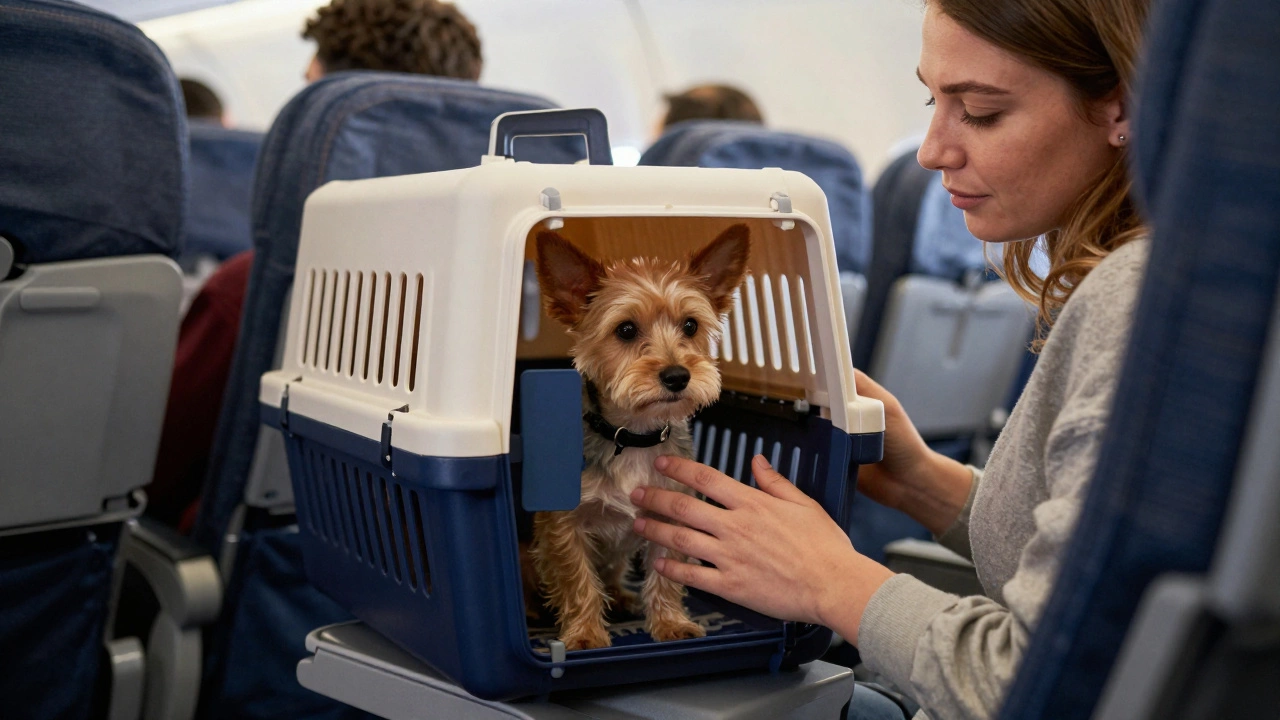
Can You Buy a Seat for Your Dog on an Airplane? Here's What Actually Works
You can't buy a seat for your dog on an airplane, but you can fly with them safely in-cabin or cargo. Learn the real costs, rules, and paperwork needed for pet travel in 2025.