Dog Skin Care: Essential Tips for Healthy, Itch-Free Pups
When your dog is constantly scratching, licking, or rubbing against the furniture, it’s not just annoying—it’s a sign their dog skin care, the routine and products used to maintain a dog’s skin and coat health. Also known as canine dermatology basics, it’s one of the most overlooked parts of pet ownership. Healthy skin isn’t shiny because of fancy shampoos—it’s because the underlying issues are being addressed. Dryness, redness, hot spots, and hair loss aren’t normal. They’re signals your dog’s skin barrier is broken, and something’s off—whether it’s food, environment, or parasites.
Many owners think flea bites are the only cause of itching, but dog skin allergies, an immune reaction to environmental or dietary triggers that causes skin irritation in dogs. are way more common than people realize. Ingredients like chicken, beef, or even corn in their food can trigger reactions. So can pollen, dust mites, or mold. And if you’re using human shampoo or harsh cleaning products around your home, that’s another hidden culprit. Then there’s dog skin infections, bacterial or fungal overgrowths that thrive when the skin’s natural defenses are down. These often follow prolonged scratching and need vet treatment—antibiotics or antifungals aren’t optional here.
Good dog skin care means looking beyond the surface. It’s about checking for flakes after baths, noticing if your dog’s belly is red after lying on the carpet, or if their paws are stained from constant licking. It’s about switching to hypoallergenic wipes after walks, using oatmeal-based cleansers instead of medicated ones unless prescribed, and keeping their bedding clean. Even something as simple as brushing daily helps spread natural oils and catch early problems. And yes, diet matters. Omega-3s from fish oil can reduce inflammation. Pumpkin helps with digestion, which indirectly supports skin health. You don’t need expensive products—just the right ones for your dog’s specific needs.
What you’ll find below isn’t a list of quick fixes. It’s a collection of real, tested advice from dog owners and vets who’ve dealt with the same problems: the itchy pup who won’t sleep, the bald patch that won’t heal, the dog that hates baths but still needs them. You’ll see what works, what doesn’t, and how to avoid common mistakes that make things worse. No fluff. No hype. Just what actually helps dogs feel better.
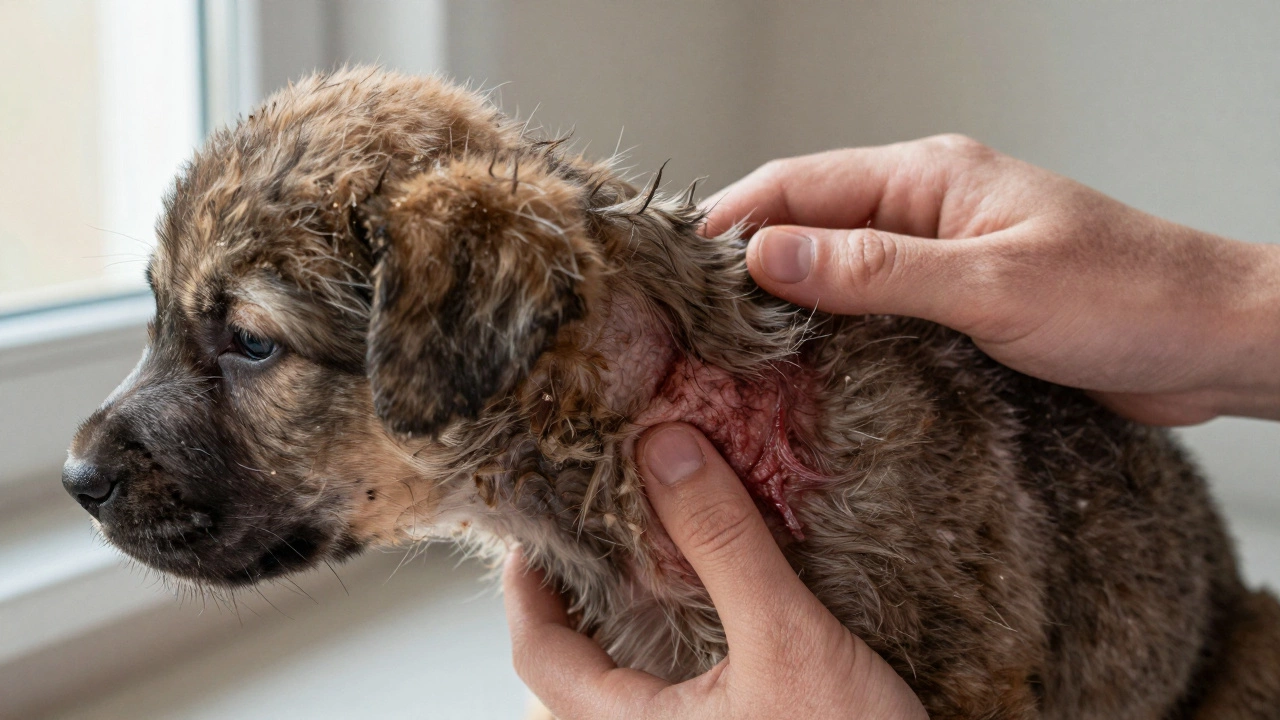
What Is Wet Puppy Syndrome? Symptoms, Causes, and Treatment Guide
Learn about Wet Puppy Syndrome, a common skin condition causing greasy coats and infections. Understand symptoms, veterinary treatments, and prevention tips for healthy puppies.
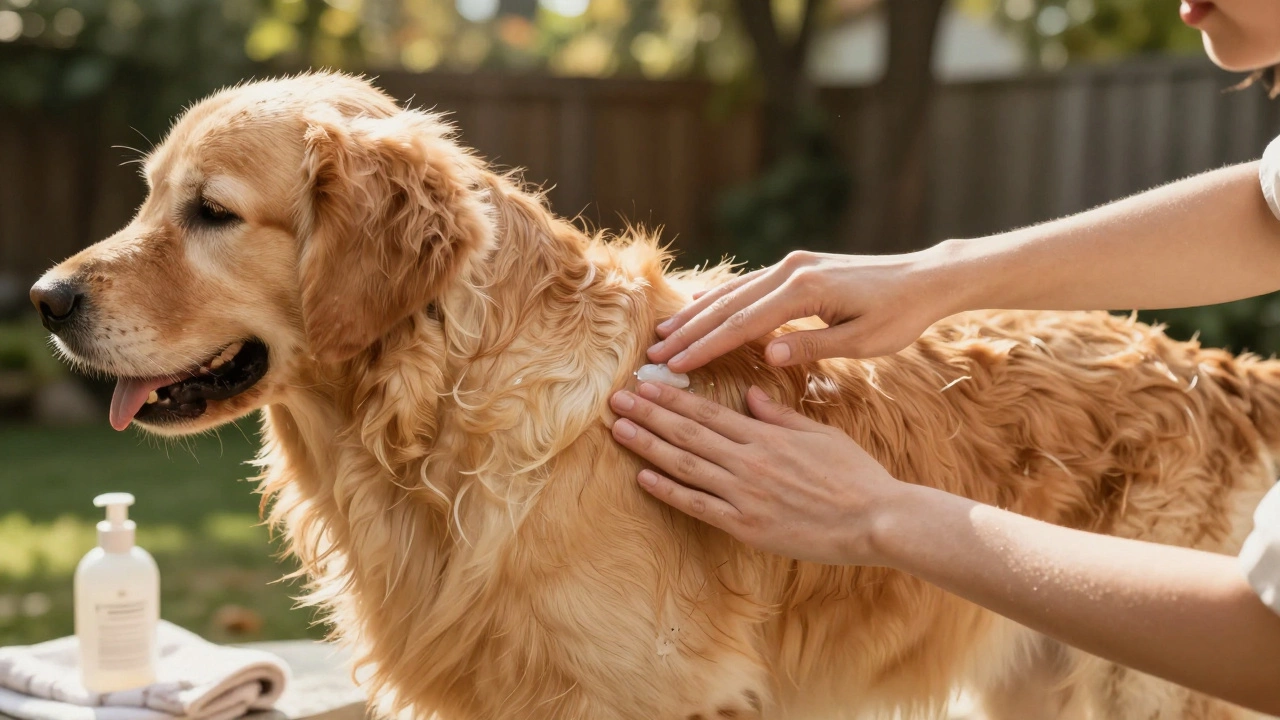
Do I Have to Rinse Coconut Oil Off My Dog? Here’s What Actually Works
Coconut oil can help your dog's skin and coat, but rinsing it off depends on how much you use and why. Learn when to wash it out, when to leave it, and safer alternatives if it's not right for your pet.