Dog Crate Accessories: What You Really Need for a Safe, Comfortable Space
When you think of a dog crate, a secure, enclosed space designed to give your dog a sense of safety and routine. Also known as a dog kennel, it’s not just a box—it’s your dog’s personal sanctuary. But a bare crate is like a bedroom with no mattress or pillows. Without the right dog crate accessories, tools and items added to a crate to improve comfort, safety, and usability, your dog might feel uneasy, bored, or even anxious. The goal isn’t to turn it into a luxury suite—it’s to make it feel like home.
What makes a crate work isn’t just the size or the door latch—it’s what’s inside. dog crate bedding, soft, washable padding designed to fit snugly inside a crate is non-negotiable. Dogs don’t sleep on concrete floors, even if they’re tough. A good pad reduces pressure on joints, keeps them warm in winter, and stays cool in summer. Then there’s dog crate toys, durable, safe items meant to occupy a dog’s mind while crated. A chew toy or puzzle feeder can turn a 30-minute wait into quiet calm—not frantic barking. And don’t forget dog crate safety, the practice of ensuring all crate components prevent injury, escape, or choking hazards. No hanging ropes, no loose fabric, no small parts. A crate should keep your dog safe, not turn into a hazard zone.
You’ll see posts here about how to pick the right bed, which toys last through chewers, and why some accessories actually make crate training harder. We’ve got real advice from owners who’ve been there—like why a fleece blanket might seem cozy but can turn into a choking risk, or why a plastic water bowl can be safer than a metal one in a moving car. You’ll also find tips on what to avoid, like overloading the crate or using scents that backfire. This isn’t about buying more stuff—it’s about choosing the right stuff. Whether you’re crate training a puppy, managing separation anxiety, or just need a reliable space for travel, the right accessories make all the difference. Below, you’ll find tested, real-world picks and mistakes to skip.
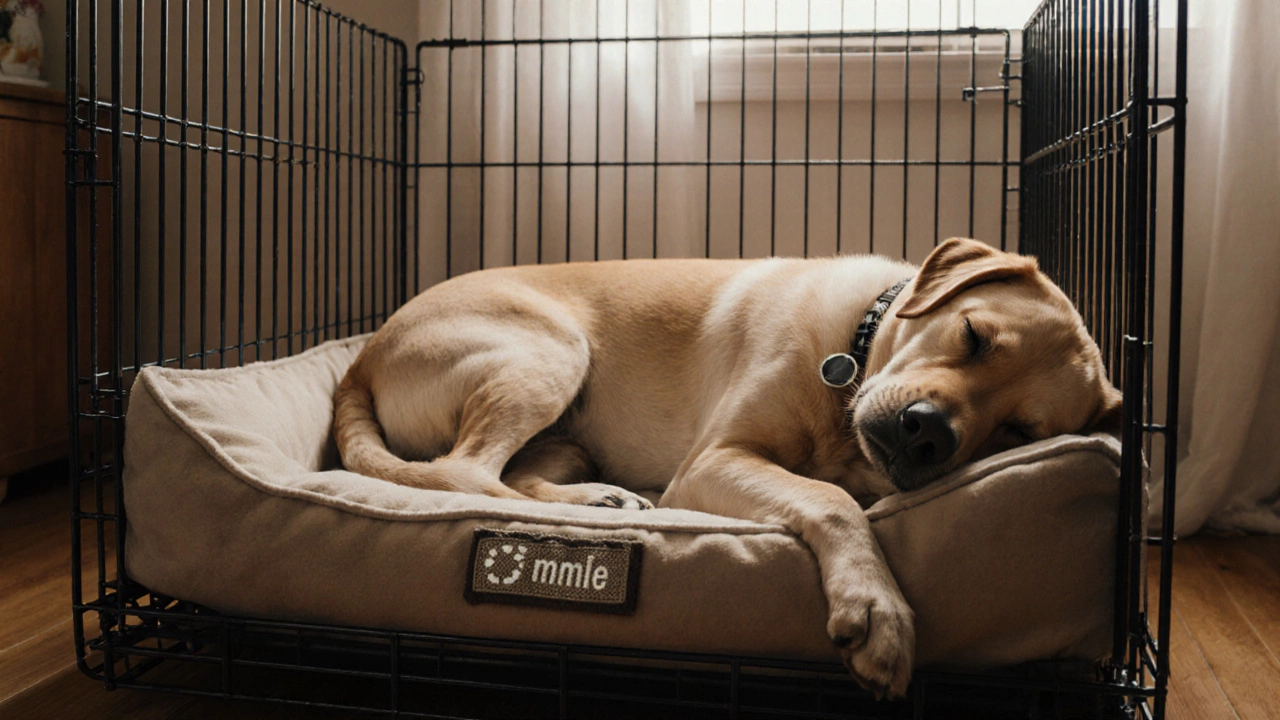
Should Dogs Wear Collars in Crates? Safety, Risks, and Best Practices
Should dogs wear collars in crates? Learn why most collars are dangerous in crates, the one safe exception, and how to keep your dog safely identified without risking injury.