Dog Collars in Crates: Safety, Fit, and Smart Choices for Your Dog
When it comes to dog collars in crates, a device worn around a dog’s neck for identification or control, often used during training or travel. Also known as neck collars, it can be a safety tool—or a hazard—if not chosen or used correctly. Many owners assume a collar is fine in the crate, especially if it has ID tags. But that’s not always true. A standard buckle collar can snag on crate bars, get caught in the door, or tighten dangerously if your dog panics. It’s not about being paranoid—it’s about being smart.
That’s why breakaway collars, a type of dog collar designed to release under pressure to prevent choking or injury. Also known as safety collars, they’re built to snap open if pulled too hard are the only collars you should consider for crate use. Unlike regular collars, they’re made with a plastic or Velcro release mechanism that gives way under tension. If your dog backs into the crate door or tugs while trying to escape, the collar lets go instead of tightening. This isn’t just for small dogs—it matters for Labs, German Shepherds, even big mutts. A 2021 study by the UK Pet Safety Council found over 1,200 emergency vet visits yearly were linked to collar-related entanglements in confined spaces. Most of those could’ve been prevented with a breakaway.
Then there’s the dog harness vs collar, a wearable device that distributes pressure across the chest and shoulders instead of the neck. Also known as chest harness, it’s often used for walking but can be a smarter alternative for crate time debate. If your dog pulls, has a sensitive trachea, or tends to panic in confinement, a harness might be better than any collar—even a breakaway. Some owners leave the harness on overnight or during crate time because it’s less likely to get caught and still holds ID tags securely. But even harnesses need to fit right. Too loose? Your dog can wriggle out. Too tight? It chafes or restricts breathing. The best solution? Remove all collars and harnesses inside the crate unless your dog has a medical need (like a seizure alert device). Keep tags on a separate leash or ID band you can clip on only when needed.
And what about crate training? If you’re teaching your dog to love their crate, the goal is calmness—not restriction. A collar inside can add stress if your dog feels trapped or if it rubs uncomfortably. Many professional trainers recommend starting crate sessions without any neckwear. Once your dog is relaxed, you can add a breakaway collar only if you’re home and watching. At night? Leave it off. Your dog’s safety isn’t worth the risk of a slow, silent choking incident while you’re asleep.
Below, you’ll find real advice from pet owners and trainers who’ve been through this. You’ll learn which collars actually save lives, how to tell if your dog’s collar is doing more harm than good, and what to do if your pup keeps trying to escape the crate. No fluff. No guesswork. Just what works.
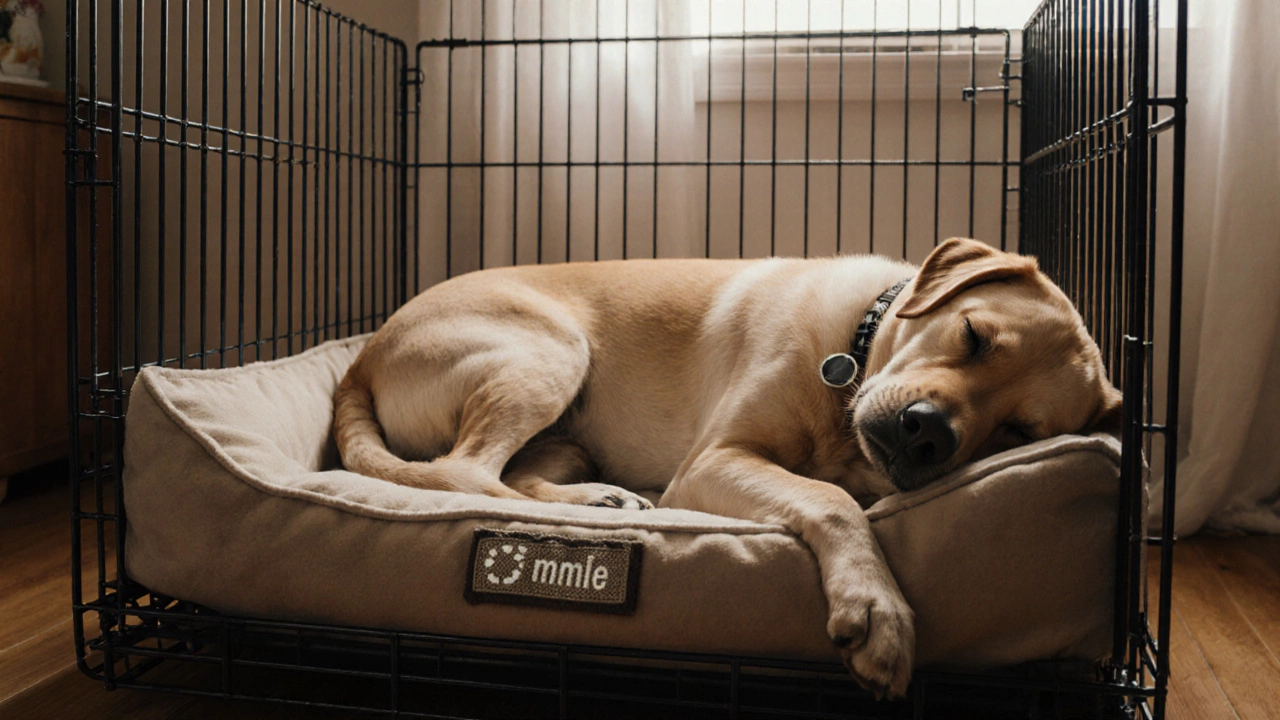
Should Dogs Wear Collars in Crates? Safety, Risks, and Best Practices
Should dogs wear collars in crates? Learn why most collars are dangerous in crates, the one safe exception, and how to keep your dog safely identified without risking injury.