Dog Collar Risks: Hidden Dangers and Safer Alternatives
When you pick out a dog collar, a strap worn around a dog’s neck for identification, control, or style. Also known as neck collar, it seems simple—until something goes wrong. Many owners don’t realize that even well-fitted collars can cause serious harm. A collar that’s too tight, too loose, or made of the wrong material can lead to trachea damage, nerve problems, or even strangulation. And it’s not just about fit—it’s about type. choke collars, metal links designed to tighten when pulled, often used for training and prong collars, metal spikes that dig into the neck to correct behavior are still sold as training tools, but they’re not just outdated—they’re risky. Studies show these devices increase stress hormones in dogs and can cause long-term neck injuries, even when used "correctly."
Not all dogs need a traditional collar at all. For smaller breeds, curious pups, or dogs who pull hard, a breakaway collar, a safety collar designed to release under pressure to prevent choking is a game-changer. These collars snap open if your dog gets caught on a fence, tree branch, or another dog’s teeth—saving lives. You might think only tiny dogs need them, but even a big Labrador can get tangled in brush or a leash during a walk. And if your dog spends time off-leash in the yard or around other animals, a breakaway collar isn’t a luxury—it’s insurance. Then there’s the dog harness, a strap system worn across the chest and back that distributes pressure instead of concentrating it on the neck. Harnesses reduce strain on the trachea, make walking easier for pullers, and are far safer for dogs with respiratory issues like brachycephalic breeds. Many vets now recommend harnesses over collars for daily walks, especially for puppies and older dogs.
What you don’t see matters just as much as what you do. A collar with a metal tag that clinks all day? That’s noise pollution for your dog’s ears. A collar with a plastic buckle that breaks after six months? That’s a waiting accident. Even the material matters—some cheap collars shed dye, cause skin irritation, or hold moisture and breed bacteria. And let’s not forget the collar that’s left on 24/7. Dogs sleep, play, and scratch. A collar that doesn’t come off can rub, chafe, or get caught. That’s why many responsible owners switch to breakaway collars for daytime use and remove them at night—or better yet, use a harness for walks and a lightweight ID tag on a breakaway collar only when needed.
What you’ll find below are real stories and practical advice from dog owners who’ve seen the damage firsthand—and switched to safer options. From how to check if your dog’s collar is too tight, to why a simple nylon breakaway collar might be the best purchase you’ve ever made, these posts cut through the noise. You’ll learn what to avoid, what to look for, and how to make sure your dog’s neck stays safe—no matter how wild their adventures get.
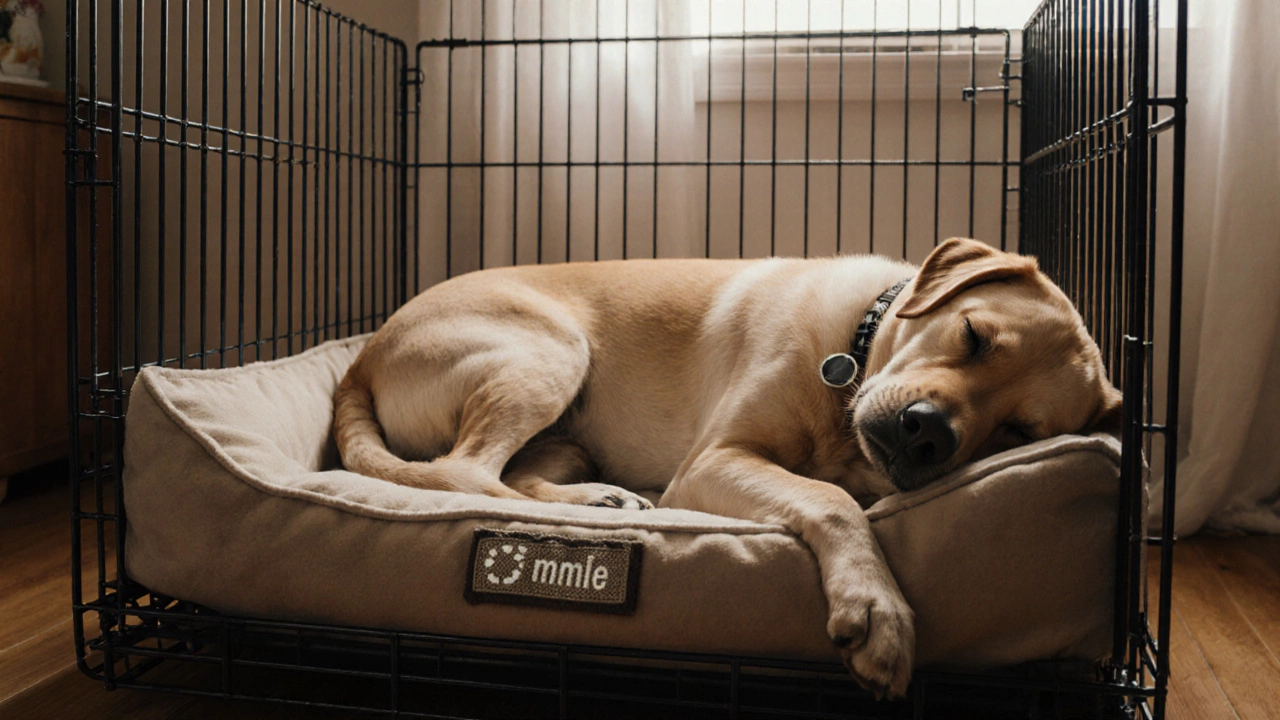
Should Dogs Wear Collars in Crates? Safety, Risks, and Best Practices
Should dogs wear collars in crates? Learn why most collars are dangerous in crates, the one safe exception, and how to keep your dog safely identified without risking injury.