Dog Behavior When Left Alone: Signs, Causes, and What to Do
When a dog is left alone, their behavior isn’t just about being bored—it’s often a cry for help. dog behavior when left alone, how a dog acts when unsupervised, especially in the absence of their human. Also known as separation distress, it’s not a bad habit—it’s a stress response rooted in their pack instincts. If your dog chews the couch, barks nonstop, or has accidents when you’re gone, they’re not being stubborn. They’re scared. And this isn’t just about puppies or new dogs—it happens to dogs of all ages, even ones who’ve lived with you for years.
One of the biggest misunderstandings is thinking dogs do these things out of revenge or spite. They don’t. dog separation anxiety, a condition where a dog becomes overly attached and panics when separated from their person is real, measurable, and treatable. Studies show that dogs with this issue have elevated cortisol levels—the same stress hormone humans get during panic attacks. That’s why they pace, drool, or try to escape. And if you leave them alone overnight, the problem doesn’t magically fix itself. In fact, dog crate overnight, using a crate as a safe space for a dog during long absences can help—if it’s introduced right. But if the crate feels like a prison, it makes things worse.
What you see on the surface—barking, scratching, chewing—is just the symptom. The root is usually one of three things: lack of routine, not enough mental stimulation, or an underlying fear tied to your departure cues. The sound of your keys, putting on your coat, or even walking to the door can trigger panic. That’s why simply giving them a toy or leaving the TV on rarely works. You need to rewire their emotional response. That’s where dog training, using positive, consistent methods to change unwanted behaviors comes in. Not punishment. Not shock collars. Not bark devices. Real, science-backed training that builds confidence, not fear.
You’ll find posts here that cut through the noise. Like why most collars are dangerous in crates, and what safe alternatives exist. Or how to tell if your dog’s sleeping next to your bed is a sign of comfort—or a cry for closeness because they’re terrified to be alone. You’ll see what foods to avoid if your dog is stressed (yes, some human snacks make anxiety worse), and how to use simple tools like pumpkin puree or calming routines to help them feel safe. We cover what to do if you have to leave your dog alone overnight, whether a breakaway collar is the right safety net, and why alternatives to bark collars actually fix the problem instead of masking it.
This isn’t about quick fixes. It’s about understanding your dog’s mind. If you’ve ever felt guilty leaving your dog alone, or wondered if they hate you when they destroy things, this collection is your starting point. You’re not failing them. You just didn’t know what to look for. Now you do.
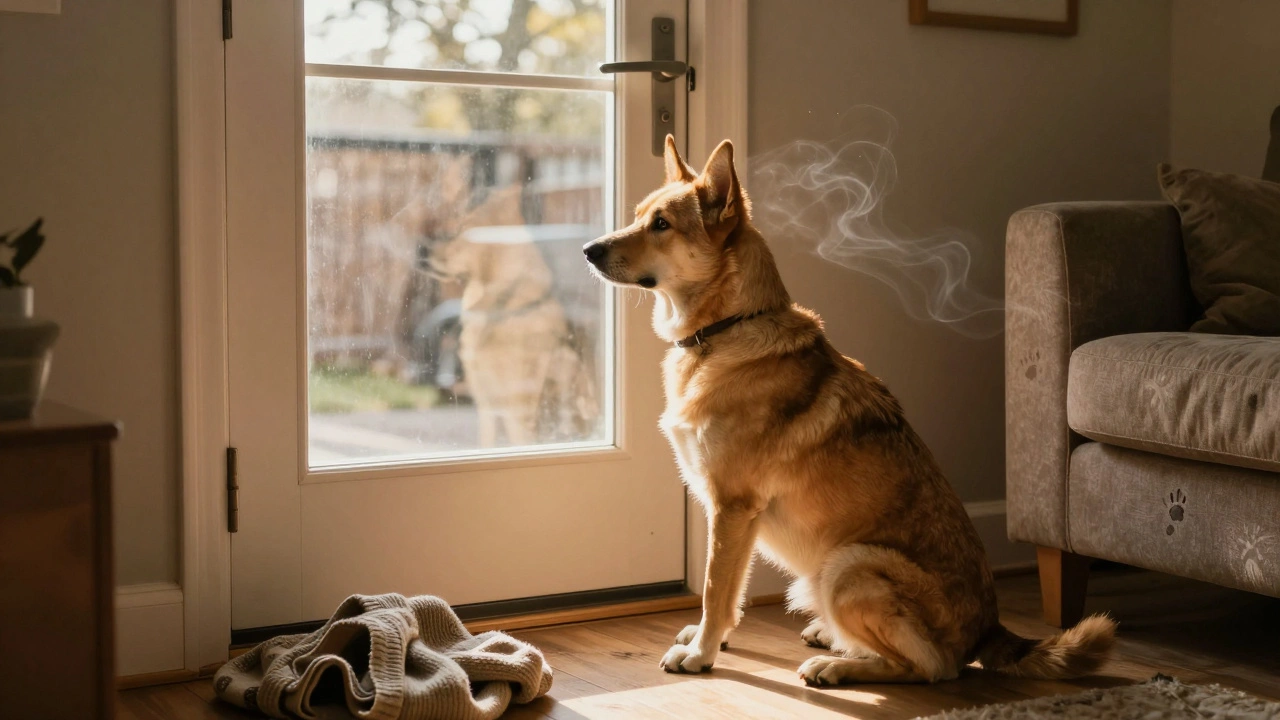
Can Dogs Tell How Long You're Gone? What Science Says About Their Sense of Time
Dogs don't count hours, but they absolutely notice when you're gone. Learn how scent, routine, and predictability shape their sense of time-and what it means for your next holiday.