Dog and Time Perception: How Dogs Experience Time Differently
When we think about time, we count hours, plan schedules, and worry about deadlines. But for your dog, time perception, how a dog understands the passage of time based on cues, routines, and sensory input rather than clocks or calendars. Also known as canine temporal awareness, it’s not about minutes—it’s about smells, sounds, and patterns. Your dog doesn’t know it’s been three hours since you left. They know the sun moved, the kitchen smells different, and the leash isn’t hanging where it usually is. That’s their clock.
Studies show dogs rely heavily on daily routines, predictable patterns like feeding, walks, and bedtime that form the backbone of a dog’s sense of time. When you leave for work at 8 a.m. every day, your dog doesn’t check their watch—they notice the sound of your keys, the way you put on your coat, or even the fading scent of your shoes. When those cues change, their sense of time gets thrown off. That’s why some dogs seem to panic after just 20 minutes alone, while others wait calmly for hours. It’s not about duration—it’s about disruption.
Separation anxiety, a stress response triggered when a dog’s routine is broken or they feel abandoned, often linked to distorted time perception isn’t just about missing you. It’s about not knowing when—or if—you’ll return. Dogs don’t have the mental framework to understand "I’ll be back in eight hours." They live in the now, and when the now stretches too long without familiar signals, their body reacts as if something’s wrong. That’s why leaving a radio on, using puzzle toys, or sticking to consistent drop-off rituals can help. You’re not just distracting them—you’re giving them new time markers.
Even dog memory, how dogs recall events based on association rather than detailed recollection, plays a big role in how they experience time. A dog doesn’t remember yesterday’s walk in detail. But they remember the smell of the park, the sound of the leash jingling, and how your return always follows that sound. That’s why a change in routine—like a different route, a skipped walk, or an unexpected trip—can feel like time itself has gone wrong. Their world runs on rhythm, not calendars.
What you’ll find in these articles isn’t theory—it’s real advice from dog owners and vets who’ve seen how time affects behavior. From why your dog sleeps next to your bed to how long wet food stays safe before it spoils, every post ties back to one truth: dogs live in a world shaped by senses, not seconds. Whether you’re dealing with barking when left alone, crate anxiety, or just wondering why your dog acts like you’ve been gone for days after a 30-minute errand, the answers are here. No fluff. No guesswork. Just clear, practical insights to help you speak your dog’s language—whether they’re waiting for dinner, a walk, or you to come home.
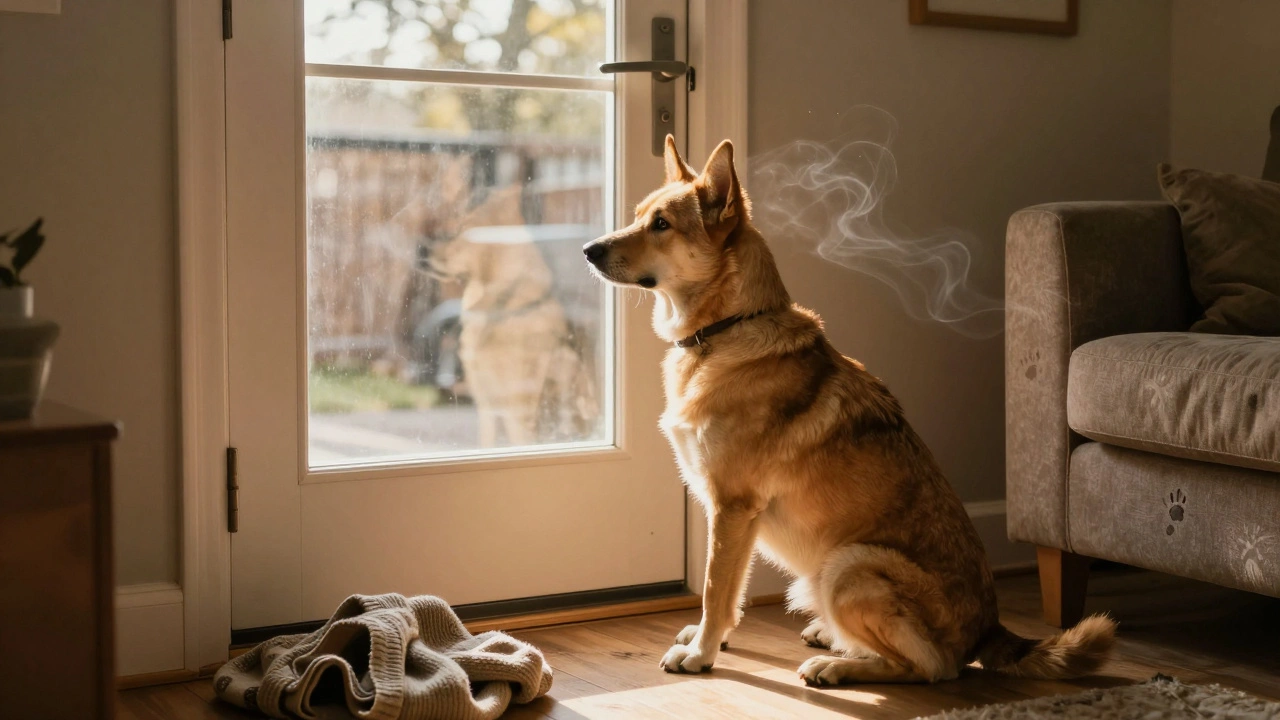
Can Dogs Tell How Long You're Gone? What Science Says About Their Sense of Time
Dogs don't count hours, but they absolutely notice when you're gone. Learn how scent, routine, and predictability shape their sense of time-and what it means for your next holiday.