Cats Eat Instead of Cat Food: What They Really Need to Thrive
When your cat turns up its nose at its bowl, it’s not being picky—it’s responding to something deeper. cats eat instead of cat food, because many commercial cat foods don’t match their natural biology as obligate carnivores. Also known as feline dietary refusal, this behavior often signals that their body is asking for more protein, moisture, and nutrients than dry kibble can deliver. Cats didn’t evolve to chew dry pellets. In the wild, they hunt small prey—mice, birds, insects—full of water, taurine, and amino acids that keep their kidneys, heart, and vision healthy. When their food lacks those, they’ll search for alternatives: your dinner, the fish in the fridge, even the neighbor’s bird feeder.
This isn’t just about preference—it’s survival. wet food for cats, a moisture-rich alternative to dry kibble is the closest thing to what their bodies expect. Studies show that cats fed only dry food are far more likely to develop urinary tract issues, obesity, and chronic dehydration. Even small changes—like mixing in a spoonful of canned tuna or adding a splash of low-sodium broth—can make a big difference. But not all swaps are safe. cat supplements, like fish oil or probiotics added to food can help, but only if they’re vet-approved. Too much tuna? It can cause mercury poisoning. Too many treats? They’ll lose interest in their real food entirely.
What your cat eats instead of cat food tells you something important: their diet is missing the basics. They’re not being stubborn—they’re trying to fix a nutritional gap. The real solution isn’t to force them back to the bowl, but to upgrade what’s in it. Look for foods with high animal protein, low carbs, and no artificial fillers. Consider rotating between wet food brands or adding a topper that mimics prey. And if your cat keeps avoiding their food, don’t just assume they’re finicky—check with your vet. Sometimes, a change in appetite isn’t about food at all—it’s about pain, stress, or illness.
Below, you’ll find real advice from pet owners and vets on how to fix this problem without turning mealtime into a battle. From safe human foods your cat can eat to the best toppers that actually get them to eat, you’ll find practical fixes that work—not gimmicks. This isn’t about fancy diets or expensive brands. It’s about giving your cat what their body was built to need.
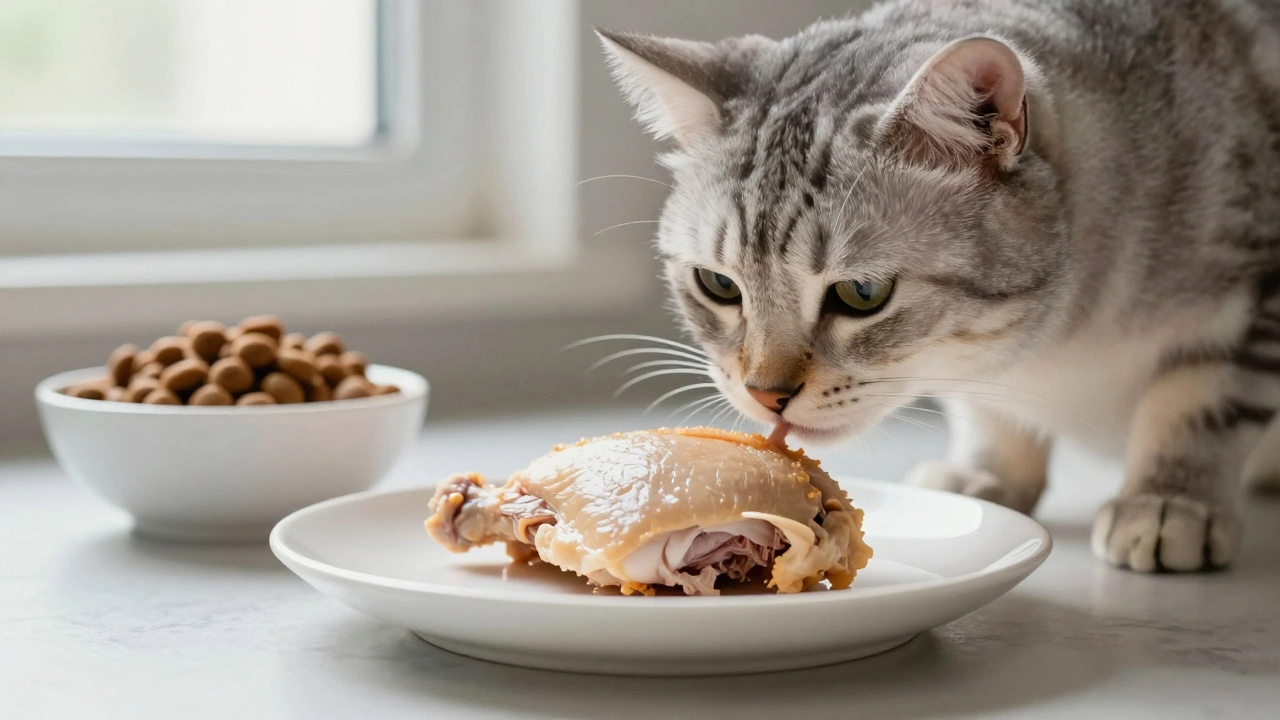
What Can Cats Eat Instead of Cat Food? Safe Human Foods for Cats
Cats can eat small amounts of plain cooked chicken, fish, or eggs as temporary alternatives to cat food-but never as a replacement. Learn what’s safe, what’s dangerous, and how to handle emergencies.