Nelson's Equestrian and Pet Supplies - Page 15

Optimal Length for Effective Dog Training Sessions
Training a dog effectively hinges on the duration and quality of each session. Striking the right balance can significantly influence learning and retention in dogs. This article explores how long training sessions should ideally last to keep dogs engaged and motivated. It also offers insights into tailoring sessions according to your dog’s age, breed, and attention span, ensuring each session is both productive and enjoyable for your furry friend.

Understanding Your Dog's Comfort with Their Collar
Dogs often wear collars for identification and safety purposes, but it's important to consider their comfort. The article discusses whether constant collar use can cause discomfort or health issues for dogs. By exploring the right fit, material, and collar types, pet owners can ensure their furry friends are both safe and comfortable. Providing helpful tips on maintenance and regular checks can help optimize a dog's well-being.

The Art of Dog Restraint in Grooming: Techniques and Insights
Dog grooming requires more than just a brush and scissors; it involves techniques to safely and humanely restrain dogs to ensure both the dog's and the groomer's safety. This article explores the common methods groomers use to keep dogs still, the reasons behind each technique, and how they maintain a stress-free environment. Readers will gain insights into professional approaches and tips to try at home for a smooth grooming experience.

How to Secure a Seat for Your Furry Friend on a Plane
When planning a trip that includes your four-legged friend, it's essential to know the rules about buying a plane seat for your dog. Some airlines allow dogs in the cabin under specific conditions, while others require pets to travel in cargo. This guide provides insights into the policies of various airlines, including tips for a comfortable journey. It also shares important considerations for ensuring a smooth travel experience with your beloved pup.

Coconut Oil for Dogs: Vet-Approved Benefits and Uses
Exploring the benefits and considerations of using coconut oil as a supplement for dogs' health, as recommended by veterinarians. This article delves into how coconut oil can impact a dog's skin condition, digestive system, and overall vitality. Learn what vets say about incorporating this natural supplement into your dog's diet safely. Discover tips for using coconut oil effectively and ensuring it's the right choice for your pet.

The Ultimate Guide to Feeding Your Cat: Tips for Healthy and Happy Felines
Choosing the best food for your cat is crucial for their health and well-being. Cats are obligate carnivores, meaning their diet must be rich in proteins. This article explores various cat food options, from dry kibble to raw diets, shedding light on the nutritional needs of felines. Tips on reading labels and choosing the best brands help owners ensure their cats receive balanced meals. Understanding your cat's unique dietary needs will keep them healthy and satisfied.

Is Applesauce Safe for Dogs to Eat?
Many dog owners wonder if it's safe to share applesauce with their furry companions. This article explores the nutritional benefits and potential risks of feeding dogs applesauce, while also offering guidance on types of applesauce to avoid. Readers will learn about signs of an apple allergy in dogs and get tips on incorporating apples safely into their pets' diet.

When to Safely Let Your Puppy Explore Your Home
Inviting your puppy to roam around your home is a big step. This decision goes beyond age and learns towards behavior and readiness. By understanding your puppy's needs and offering a safe environment, you can ensure a positive roaming experience for your new furry friend. Tailoring the freedom journey to individual personality will help nurture your bond while providing a sense of independence.

Can Dogs Eat Bananas? An Expert Guide on Benefits and Precautions
Bananas are a popular fruit, and many dog owners wonder if these can be a safe and healthy snack for their pets. This article explores the nutritional benefits of bananas for dogs, while also highlighting potential risks. Readers will learn how to safely prepare and serve bananas to their furry friends. Additionally, tips on moderation and alternatives for sensitive dogs are given to ensure responsible feeding practice.
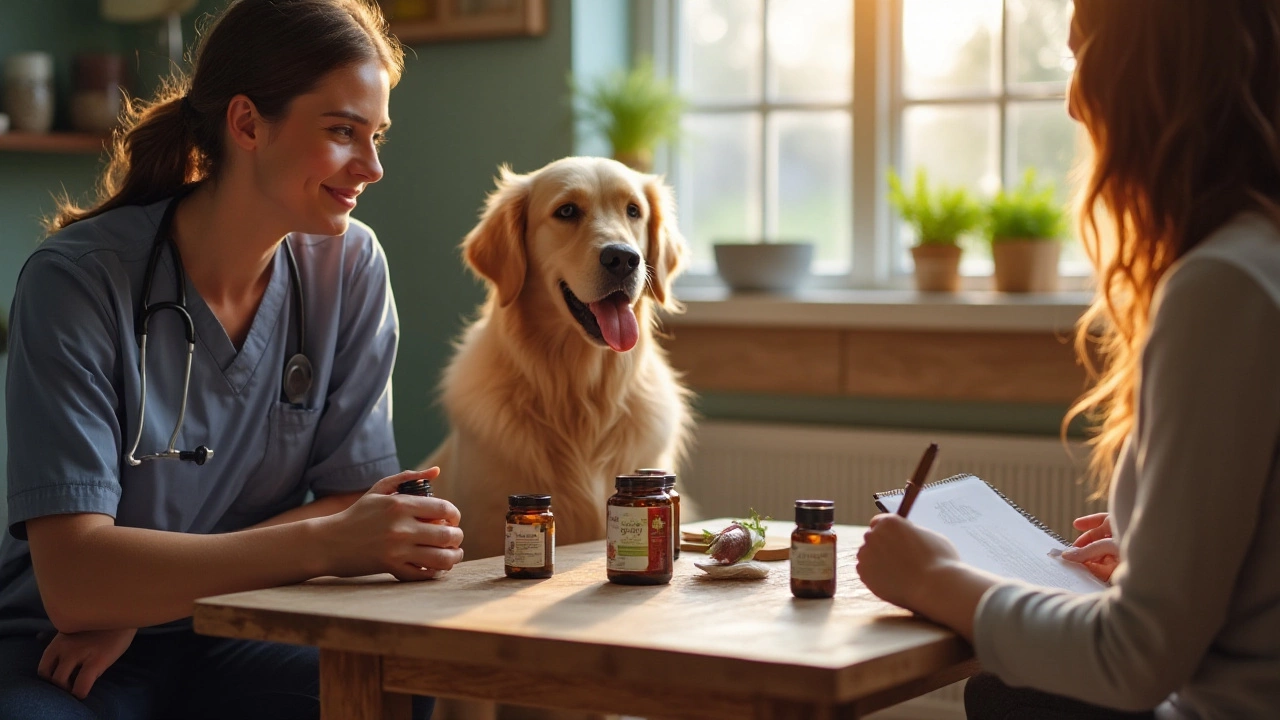
Best Time to Give Dog Supplements for Optimal Health
Choosing the right time to introduce supplements into your dog's diet can significantly impact their overall health and well-being. This article explores the signs that your dog might need supplements, the benefits they offer, and how to navigate the supplementation process safely. Essential advice will be provided on assessing your dog's specific needs and ensuring a balanced diet. Gain insight into what types of supplements are available and how they support different health aspects. Understand when to consult a vet to make informed decisions for your canine companion.

Understanding When Your Puppy Will Settle Down: A Guide to Calmer Days
Puppies, with their boundless energy and curiosity, bring joy and chaos in equal measure. As pet owners, it is important to understand when our pups might start to calm down and what influences their rambunctious nature. Generally, puppies begin to show signs of mellowing around six months to a year, though this can vary by breed and individual temperament. There are effective strategies and toys to help manage their lively behavior. With patience and the right tools, you can guide your little furball towards more serene days.

Optimal Feeding Schedule: How Often Should Your Dog Eat?
Deciding how frequently your dog should eat is key to maintaining their overall health and wellness. From puppies to senior dogs, each stage of life requires a different feeding approach. This article discusses recommended meal frequencies, factors to consider when creating a feeding plan, and tips for ensuring your pet's nutritional needs are met. By the end, you'll have a clear understanding of how to keep your dog healthy and satisfied.